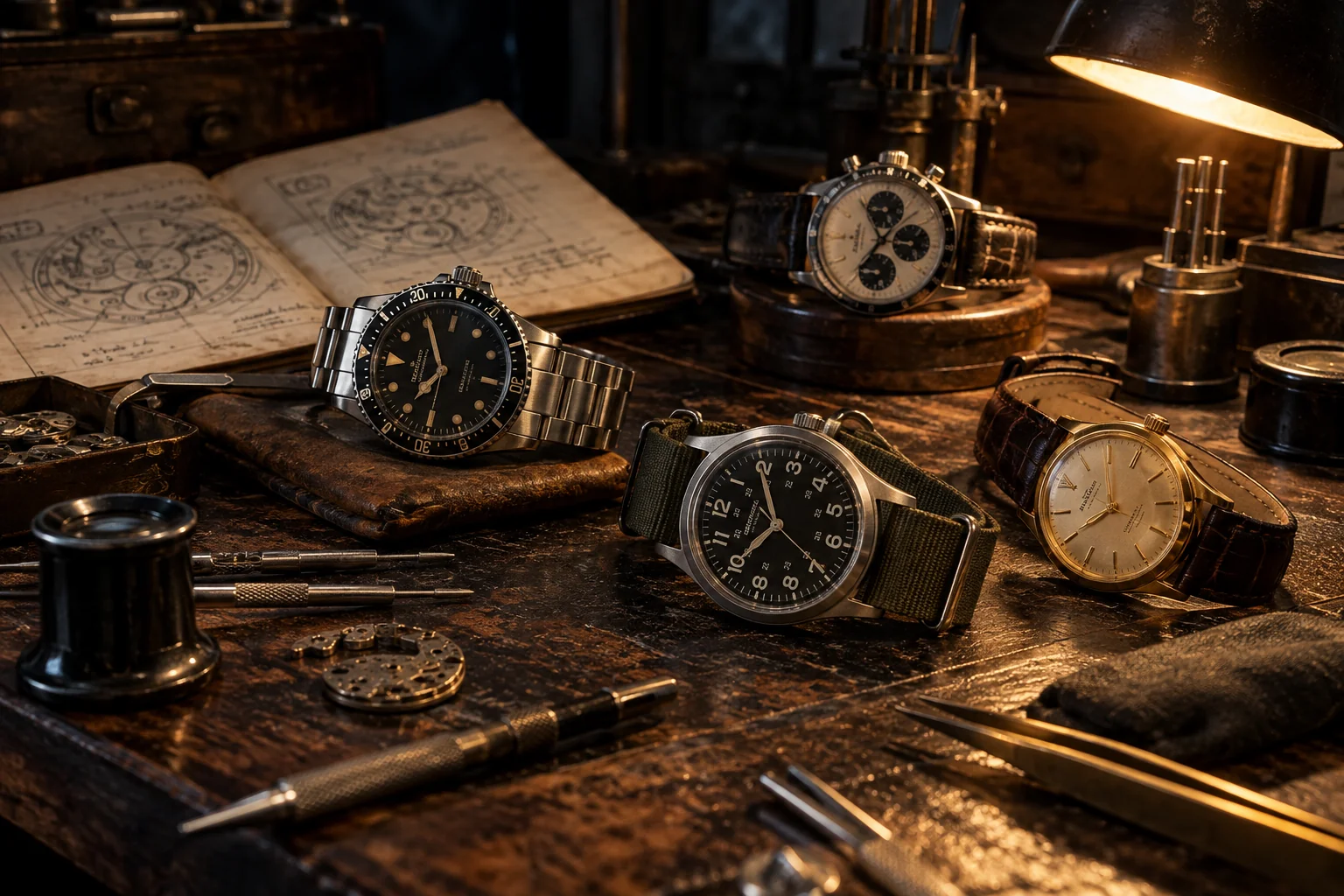
The parcel arrived on a Thursday. Brown paper. Cotton string. No return address. The customs label, carefully completed in blue ink, described the contents as “mechanical parts, no commercial value.” Whoever wrote it had clearly never met a watch collector.
Viktor placed the box on his bench and made coffee. He did not open it immediately. This is one of his habits that irritates other people: he insists that an object should first be allowed to tell him what it is not.
Three cities on a scrap of paper
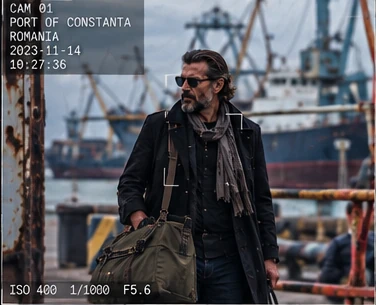
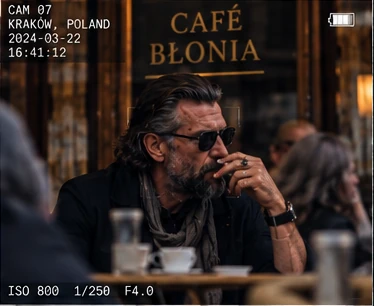
Inside was a modest steel wristwatch with an aged black dial and a fabric strap that had been repaired by hand. Beneath it lay a hotel key envelope. Someone had written three city names on the back: Constanța. Kraków. Wilmington. There were no dates. Below the last name sat a small penciled triangle.
There is a simple explanation for a watch like this: a traveler bought it, wore it hard, replaced the strap more than once, then forgot it in a drawer. Viktor considered this the likeliest answer. The more entertaining answers waited nearby, naturally, and he took care not to encourage them.
The case back carried shallow tool marks from earlier openings. Under magnification, the gasket was tired, the crown had endured more force than it deserved, and a thin film of dust clung to the edges of the movement. Nothing was especially alarming. In the watch business, the quiet patients often survive longest.
What can be established
Viktor wrote his observations in two columns. On the left: Known. On the right: Assumed. Under Known he listed the visible condition, the winding behavior, the movement architecture, and the fact that the watch had been running when opened. Under Assumed he wrote one line: Everything else.
He photographed the dial in raking light, checked the hands for interference, inspected the case threads, and made a note to replace the case gasket if a correct part could be sourced. There was no heroic restoration. The dial had survived its life; he saw no reason to give it somebody else's.
Later, a man telephoned and asked whether the parcel had arrived. He offered no name. Viktor asked him what watch was in the box. The caller gave the correct answer, down to the frayed strap. It was still not much to go on. Anyone could have seen a photograph. Viktor asked where the watch had been serviced. The line went silent.
“In your position,” the caller finally said, “I would leave it alone.”
“In my position,” Viktor replied, “I have a microscope.”
The receipt
The useful clue was on the hotel envelope. Under the printing there was a faint impression from a pencil note written on a sheet that had once rested above it. A number, a name, a room. Nothing romantic. No secret cipher. It might have led to a former owner; it might have led to a dead end. Viktor stopped the investigation there.
Ownership is not solved by curiosity. Provenance is not proof of permission. He placed the watch in a labeled drawer and filed the envelope separately. When someone can establish a legitimate claim, the conversation can resume. Until then, no price is attached to it.
Three days later, the same caller rang again. “Did you find what you were looking for?”
Viktor looked at the watch ticking under its protective cover. “No,” he said. “I found what you sent.”
In the margin of the file he added a final note: A watch can travel without a person. A story should not.