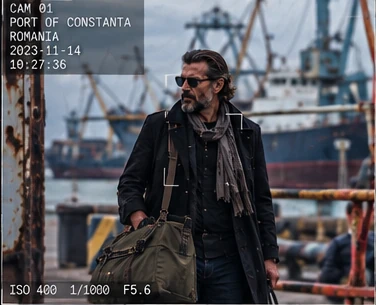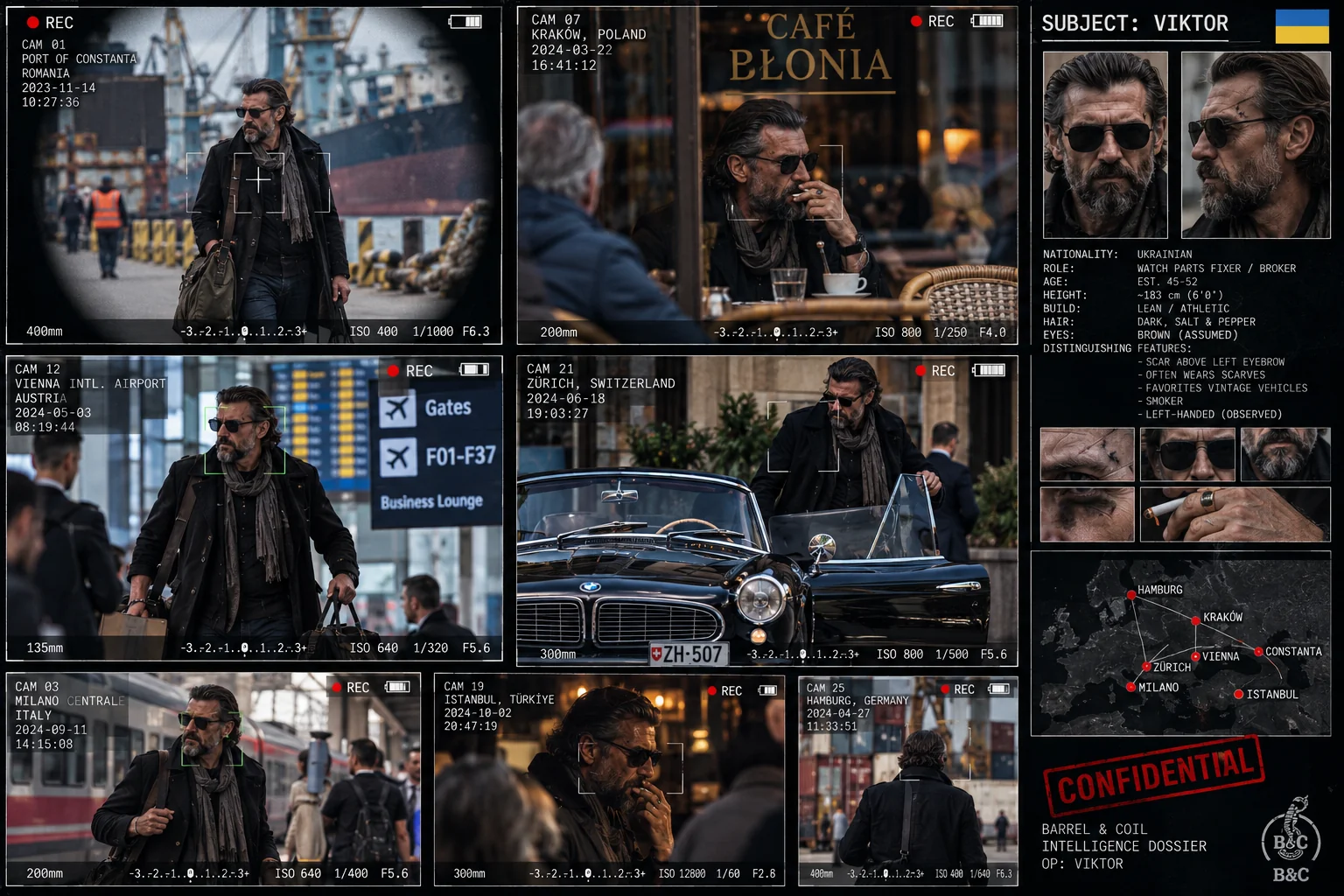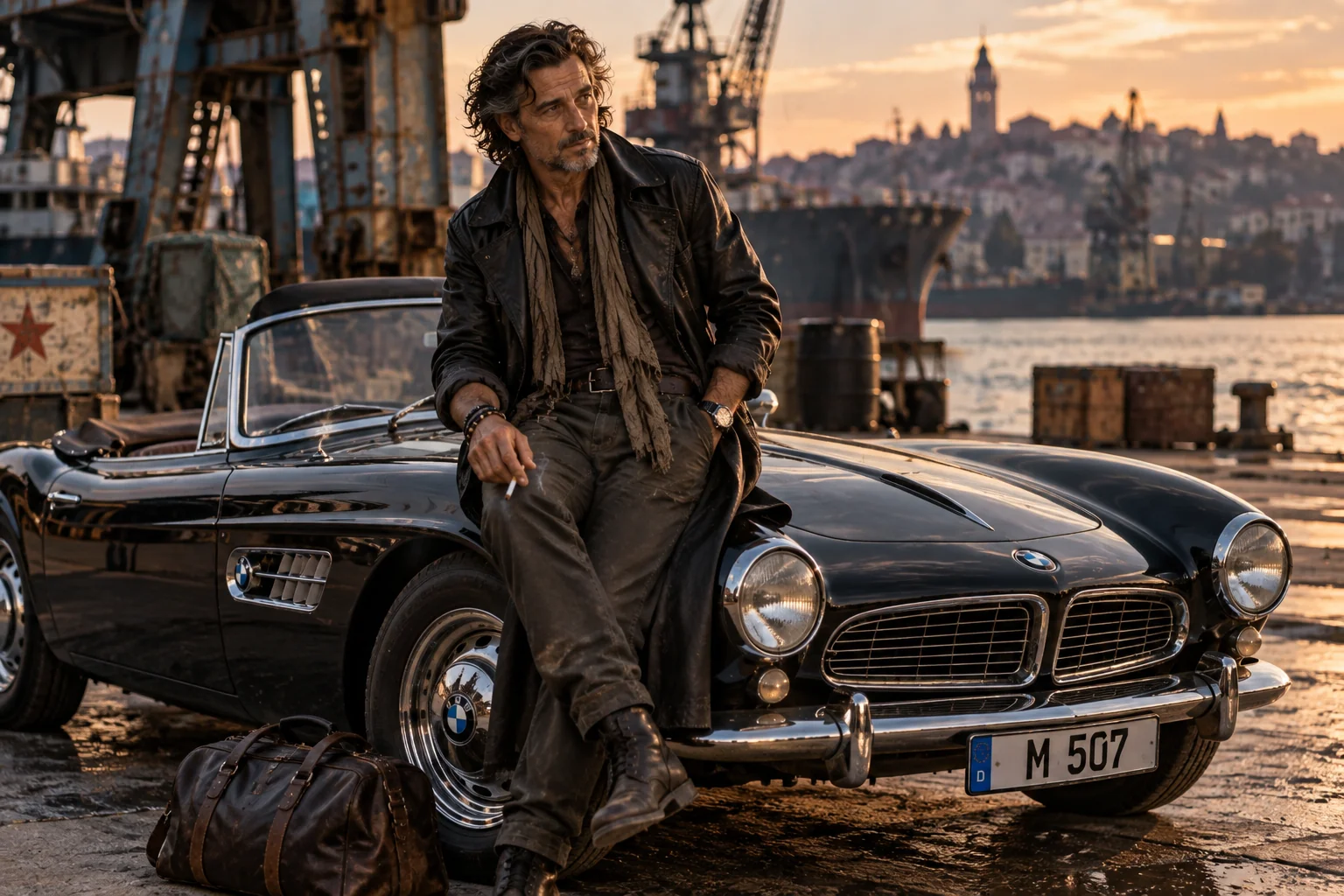
The car was never meant to be inconspicuous. That much was obvious even before the engine started. A black BMW 507 at the edge of a harbor, with the sun coming sideways across its long hood, was a poor choice for anyone hoping to pass unnoticed. Viktor parked it there anyway, between a delivery van and a stack of shipping pallets, as though the two-seat roadster were merely another useful piece of equipment.
A man from the shipping office came out to stare. “Is it real?” he asked. Viktor finished writing something in his pocket notebook. “Usually,” he said.
A difficult kind of beauty
The real BMW 507 arrived in the middle of the 1950s, designed by Albrecht Graf Goertz. Its elegant aluminum bodywork sheltered an approximately 3.2-liter V8, a four-speed manual gearbox, and a thoroughly impractical business proposition. BMW intended to make an image-building sports car. What it built instead became a legend precisely because almost nobody could afford it. BMW's own archival records put production at 251 examples, with a slightly different count appearing in some historical BMW materials. Either figure is vanishingly small for a road car.
Stand next to one and the specifications become less interesting than the proportions. The low grille, the delicately drawn kidney openings, the long front fenders and the trim at the vents all express a particular 1950s optimism: good engineering should also have an opinion about beauty.
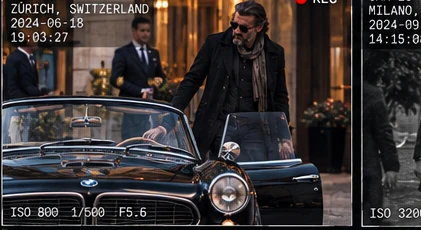
At auction, the reality of rarity is less romantic. Authenticity, condition, identity of the engine, restoration history, and provenance change the numbers dramatically. One 1959 BMW 507 sold at Mecum Kissimmee on January 17, 2026, for $1,512,500. Viktor does not like discussing values at all. “The market tells you what strangers are willing to spend,” he says. “It tells you very little about what they understand.”
The glove compartment
Inside Viktor's car there is a spare pair of driving gloves, a linen map with three different routes marked between Vienna and the Adriatic, and a watch wrapped in an old hotel receipt. None of these items is remarkable in isolation. The unusual part is that the watch appears to have been set five minutes ahead of the local time in every city on the route.
A fellow collector once asked why a man who owns several precise mechanical watches would tolerate a dashboard clock that gained a minute each week. Viktor shrugged. “It arrives before I do. That is a very considerate quality in a clock.”
He drives the 507 to classic-car gatherings, but rarely enters competitions. He parks away from the polishing cloths, opens the hood for anyone who asks a good question, and vanishes when someone asks what he paid. Once, at a concours, he spent forty minutes speaking to a stranger who owned a very ordinary chronograph. They were discussing the stranger's father, not the watch. By the time the trophies were presented, Viktor was gone.
Patina and evidence
The temptation with rare machines is to make them perfect. Perfect paint, perfect chrome, perfect documentation. But perfection can become a way of erasing evidence. A steering wheel wears where hands rest. An engine bay tells you which fasteners have moved. A watch case carries tiny records of door frames, desk edges, and everyday accidents.
Viktor keeps the 507 mechanically disciplined and visually honest. The tires must be right. The brakes must be better than the driver. The oil must never become a subject for philosophical debate. Cosmetic perfection, however, is optional. When asked why, he produces the sort of answer that ends interviews: “I am interested in the car, not in its obituary.”
At the next traffic light he checks his wristwatch against the instrument panel, chooses neither reading, and turns toward the old railway station. No one has been able to explain that detour. Viktor has never been asked twice.
FACT CHECK / BMW 507 production and specifications: BMW Group Classic; auction reference: Mecum result reported by Classic.com. Viktor's personal episodes are fiction.